

July 20, 2026 | fuelrelieffund
A Day in the Life of a Fuel Relief Fund Volunteer
July 14, 2026
Most people don’t think about fuel until they don’t have any. For Fuel Relief Fund volunteers, that’s the whole job, showing up in the gap between “the power’s out” and “help is here.” Here’s what one of those days actually looks like.
6:00 AM — Arriving to a Truck Already Waiting
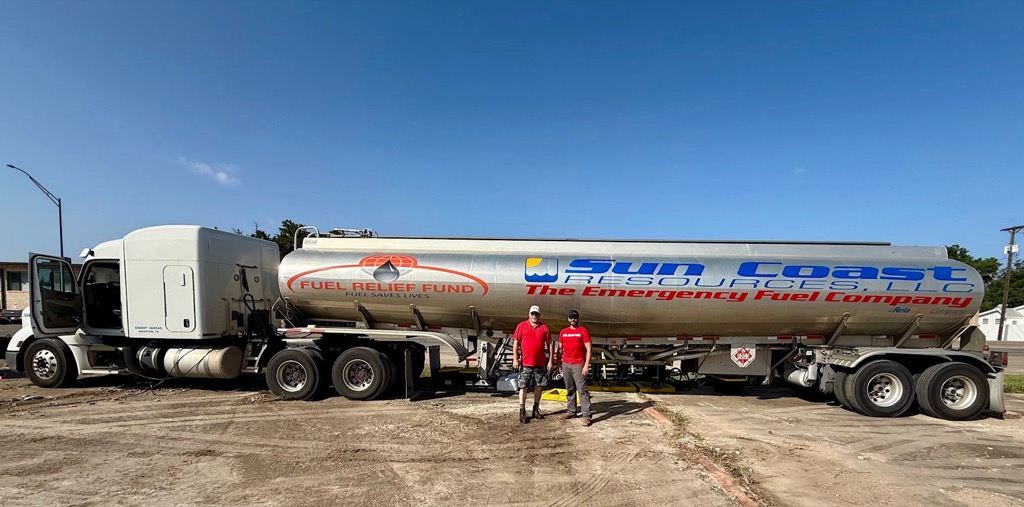
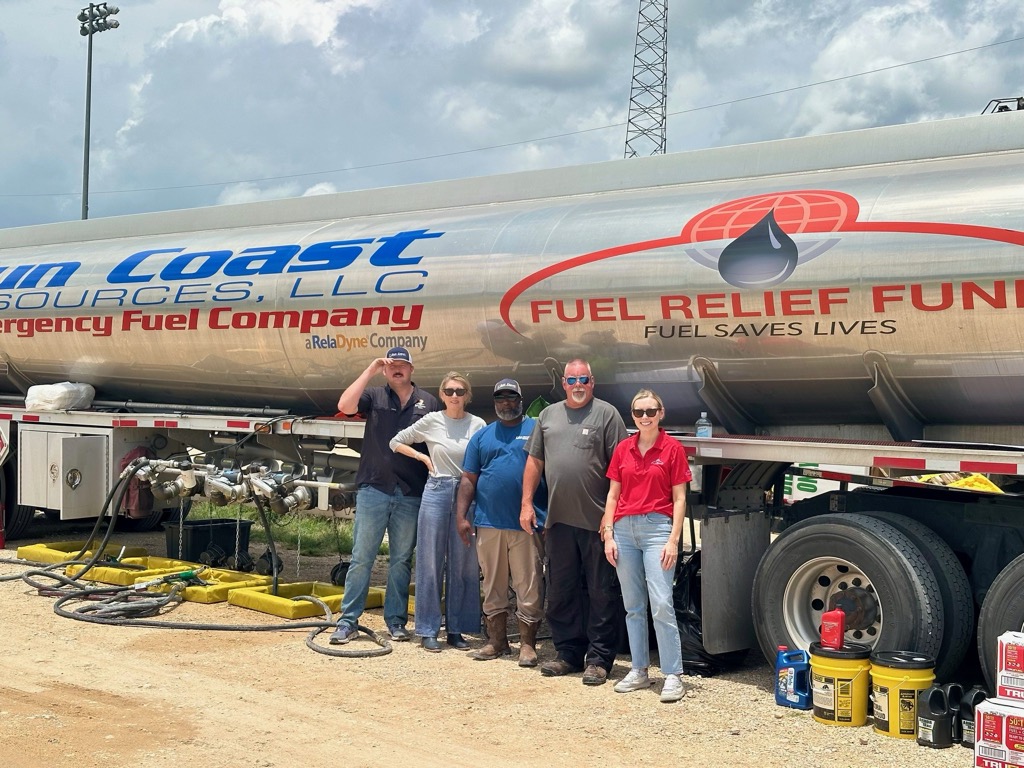
By the time our volunteers arrive on scene, the hardest logistical piece is already in motion. Through our partnership with RelaDyne, a dedicated tanker and driver are staged and ready before the sun is even fully up — one less thing standing between the community and the fuel it needs.
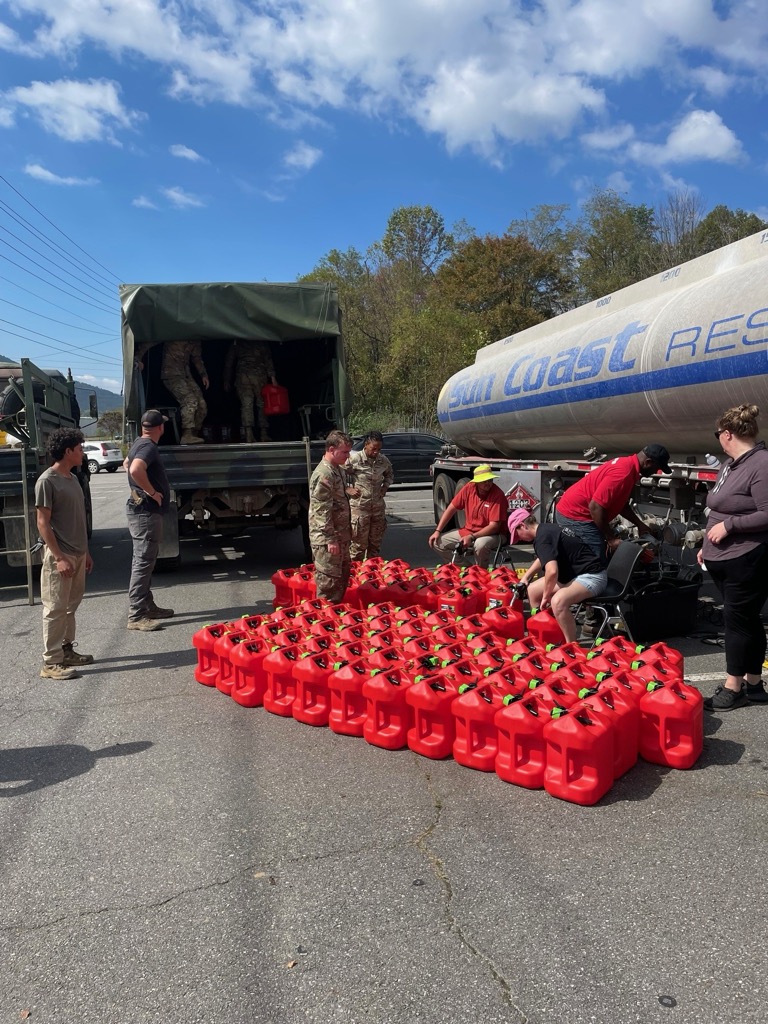
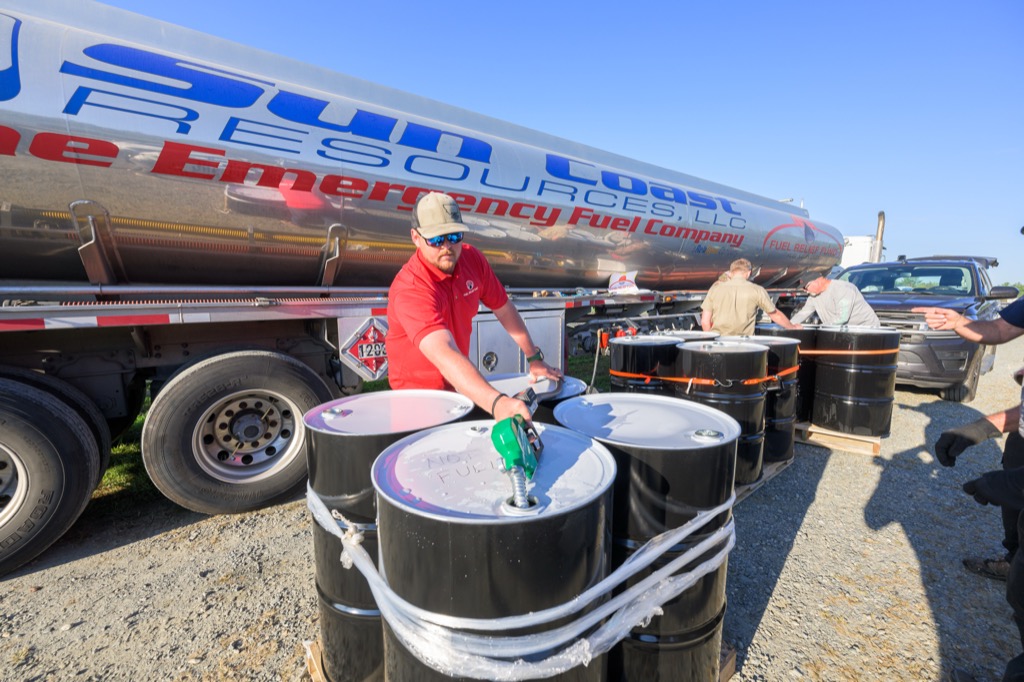
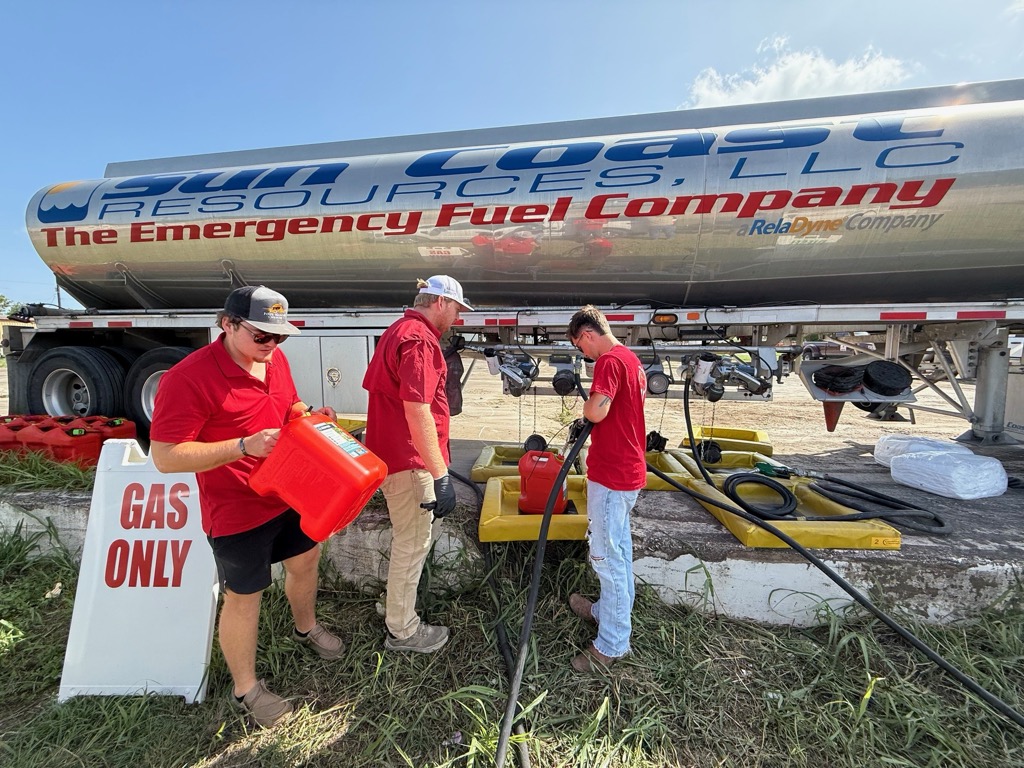
Volunteers roll in shortly after daylight, and the first job of the day is setup: getting the pumping station organized, laying out safety equipment, and making sure everything is ready to run smoothly and safely once people start arriving.
Morning — Pumping Gas, One Family at a Time
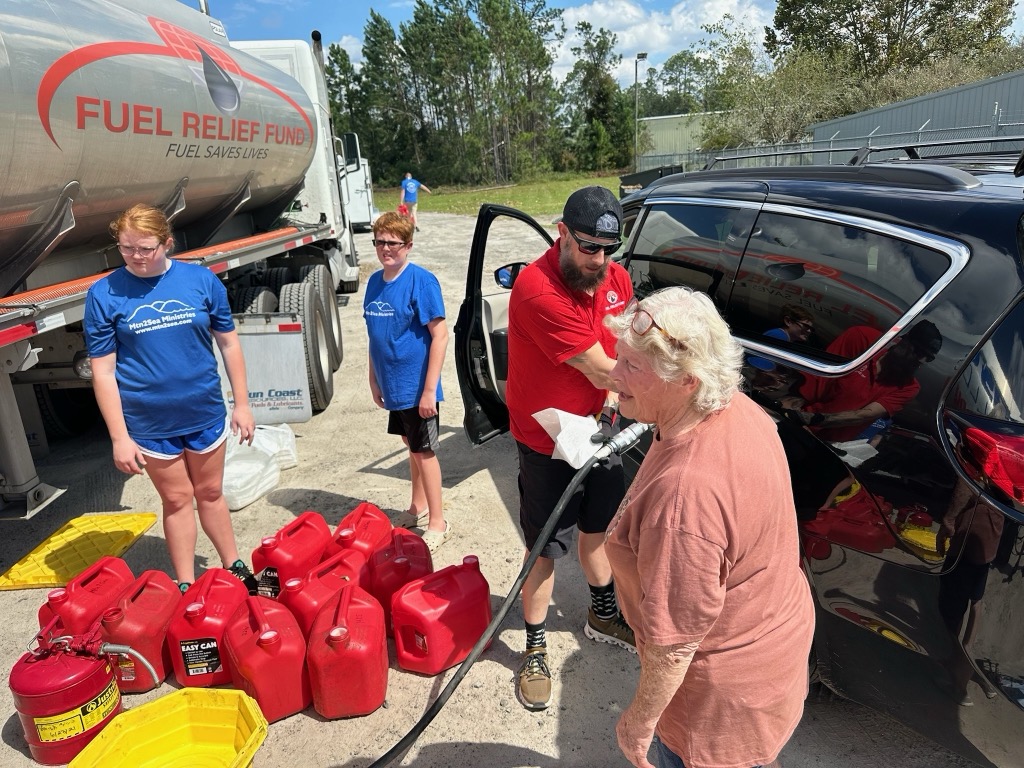
Once the site is set up, the real work begins. Each family that comes through gets up to 10 gallons of fuel — pumped directly into a car or filled into a gas can keep a generator running back home. It sounds simple, but for a family that’s been sitting on empty for days, those 10 gallons can be the difference between getting to work, getting to a pharmacy, or keeping the lights on.
The types of places and people FRF shows up for tend to tell the story on their own: a hospital running low on generator fuel, an elderly resident who hasn’t been able to leave their block, a nurse trying to get to her next shift, a father trying to get his family somewhere safe. If someone is in need, that’s where you’ll find Fuel Relief Fund.
The Line
Word travels fast once fuel arrives. Cars line up — sometimes for blocks — full of people waiting their turn with empty tanks and a lot of patience. Volunteers work the line directly: explaining the process, keeping things moving safely, and talking with the people waiting.
This is where the mission stops being abstract. It’s not just fuel changing hands — it’s conversations, relief, and a little bit of normalcy showing up in the middle of a hard week. Volunteers hear a lot of stories in that line, one car at a time, and it’s usually what keeps them coming back.
Meanwhile — Scouting the Next Stop
While most of the team is focused on pumping gas and working the line, the team lead is already a step ahead — heading out to identify and confirm the next location. Coordinating with local contacts and emergency management, they’re figuring out where the next tanker should go once this site winds down, eliminating any wasted time between stops.
That constant forward planning is a big part of what lets Fuel Relief Fund keep moving through a community instead of stalling at a single site.
End of Day — Wrapping Up, Getting Ready for Tomorrow
As the site winds down, volunteers break everything back down, restock what’s needed, and compare notes on the day — what worked, what the next location looks like, and what time to be back on scene tomorrow. Then it’s rest, and an early alarm to do it again.
Why They Keep Showing Up
Ask a Fuel Relief Fund volunteer why they do this, and you’ll rarely hear anything about heroics. More often, it’s something simple: people just want to help others get back on their feet. The days are long, and the conditions are unpredictable, but the impact is immediate — a generator that stays on, a family that makes it to safety, a community that gets one step closer to normal.
That’s a day in the life. And during hurricane season, it’s a day that can repeat itself for weeks at a time.
Want to be part of a day like this one? Learn how to volunteer with Fuel Relief Fund or make a donation to help fund the next deployment.
To learn more about Fuel Relief Fund, our mission, and how you can support future disaster response efforts, please visit our website.