June 20, 2026 | fuelrelieffund
What the 2026 Hurricane Season Forecast Means for You
The 2026 Atlantic hurricane season is underway, and this year’s forecast comes with a mixed message: the numbers are down, but the warning is not.
NOAA’s Climate Prediction Center is calling for a below-normal season — 8 to 14 named storms, 3 to 6 hurricanes, and 1 to 3 major hurricanes, driven largely by a developing El Niño pattern expected to increase wind shear across the Atlantic. Colorado State University’s forecast lines up closely, projecting 9 named storms and 4 hurricanes. On paper, that’s a quieter year than the historical average of 14 named storms and 7 hurricanes.
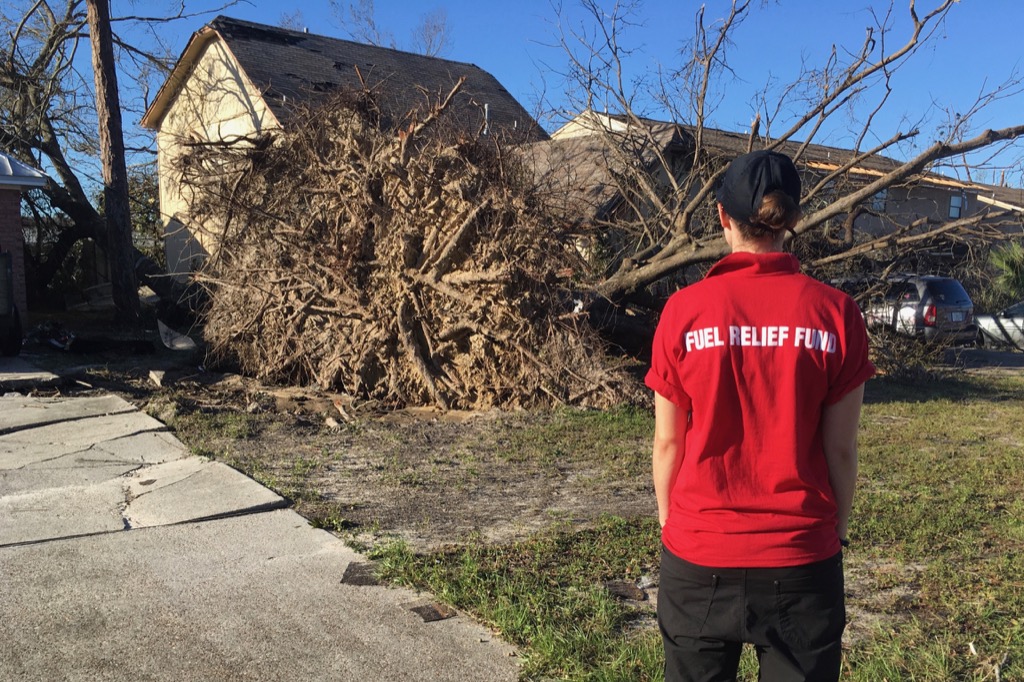
But anyone who has worked a disaster zone knows it only takes one storm to make for a very bad season. In 2025, a year with a well-above-normal forecast, not a single hurricane struck the continental U.S. And yet Hurricane Melissa still became one of the strongest storms on record, devastating communities across Jamaica and a storm that FRF responded too. The forecast tells you about probability. It doesn’t tell you where a storm will make landfall, or who will lose power for the next two weeks because of it.
That’s the reality Fuel Relief Fund plans around every year, regardless of what the seasonal outlook says.
Why “Below Normal” Doesn’t Mean “Off the Hook”
When a storm does make landfall, fuel is usually one of the first things to disappear — and one of the last things to come back. Gas stations lose power before they lose fuel. Generators run dry within days. Ambulances, hospitals, shelters, and the families trying to evacuate or stay warm all need fuel to function, often in the exact window when supply chains are most disrupted.
A quieter season on paper doesn’t change any of that math for the one community that does get hit. It just means fewer people are paying attention when it happens.
How Fuel Relief Fund Prepares — Forecast or No Forecast
Regardless of what any outlook predicts, our approach to hurricane season doesn’t change:
- We pre-position relationships, not just resources. Long before a storm forms, we’re coordinating with fuel suppliers, local emergency management offices, and community partners in vulnerable regions so we can move fast when it matters.
- We watch the whole season, not just the “big” storms. Some of our most critical deployments have followed storms that never generated national headlines.
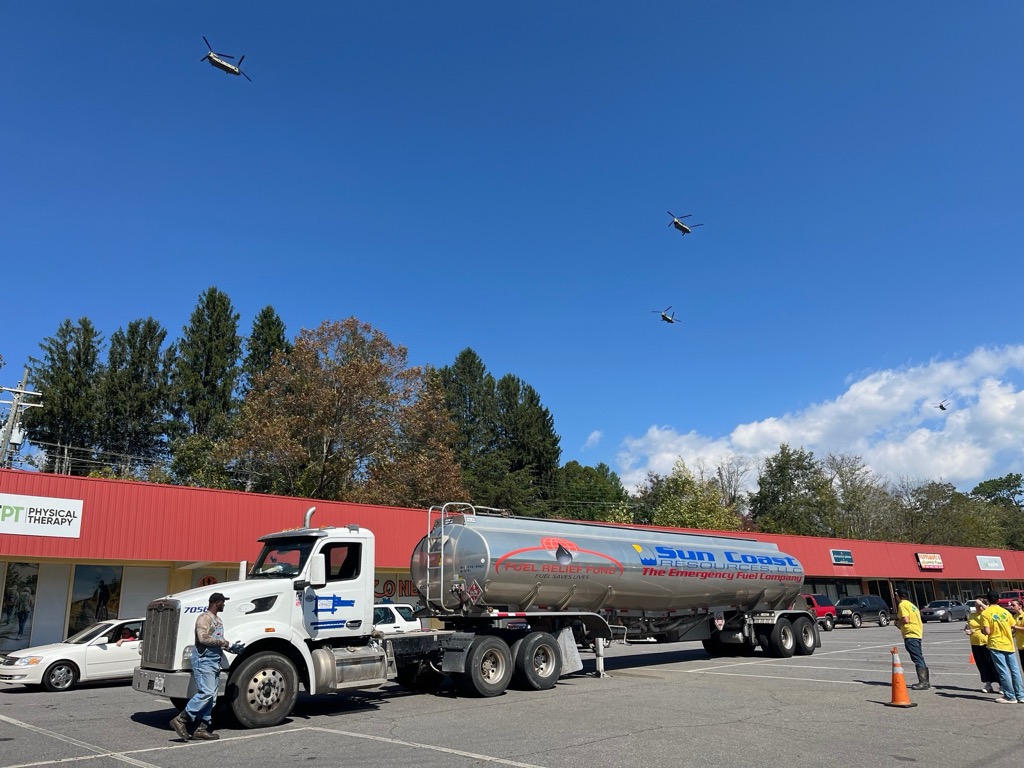
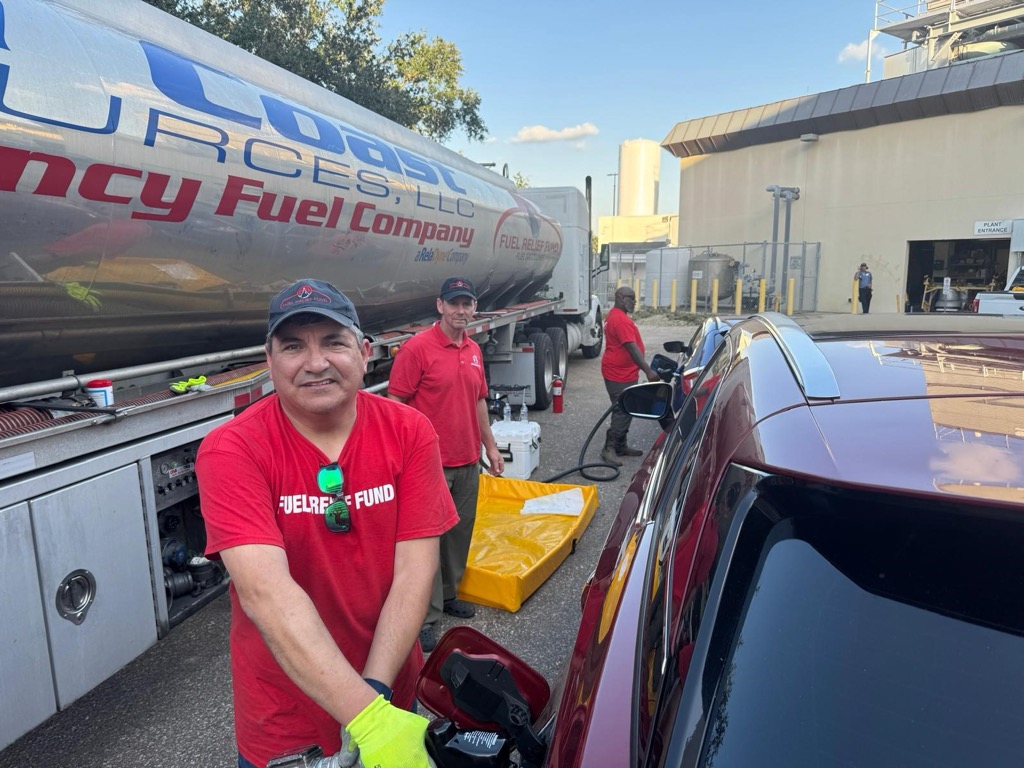
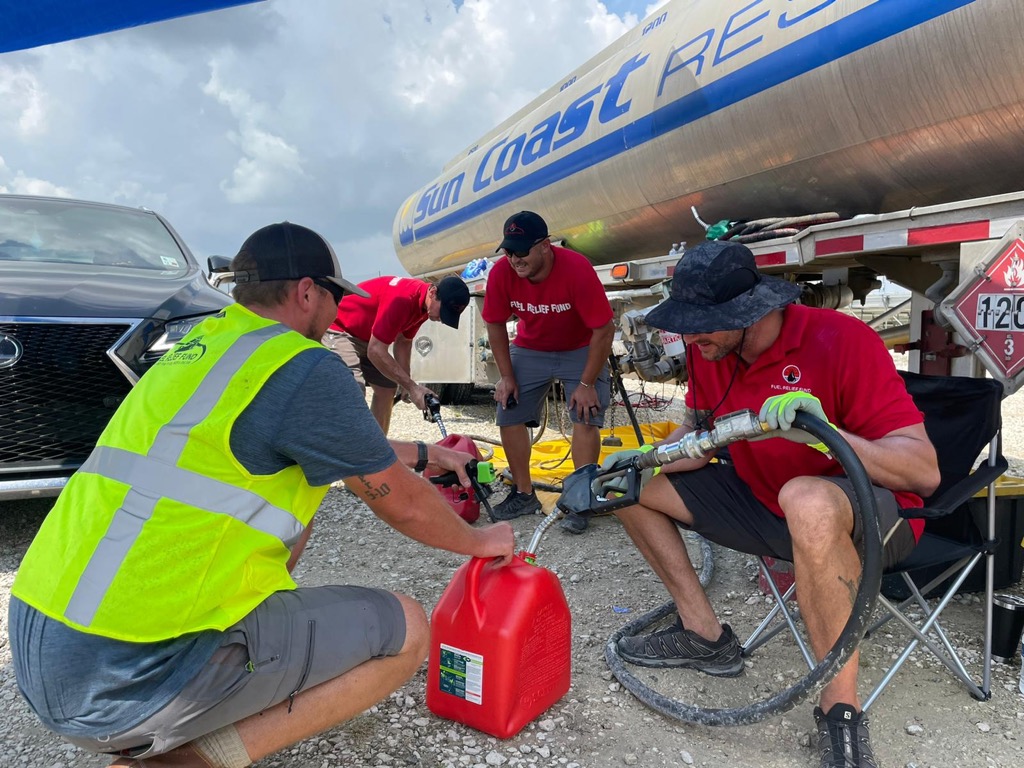
- We stay flexible on delivery method. Depending on what’s needed, that might mean fuel tankers on the ground, prepaid gas cards for displaced families, or generator fuel for hospitals and shelters running on backup power.
What You Can Do Right Now
Hurricane season preparedness isn’t just for coastal residents — it’s for anyone who wants their support to be useful the moment it’s needed, rather than scrambling after the fact.
- If you’re in a hurricane-prone area: Review your evacuation plan, fuel up your vehicle before a storm is named (not after), and know where your nearest shelter and pharmacy are located.
- If you want to support relief efforts: The best time to give is before a storm hits, not after — early support lets us pre-position fuel and resources instead of racing to catch up.
- If you want to stay informed: Follow the NOAA National Hurricane Center for real-time tracking, and follow Fuel Relief Fund for updates on where we’re deploying throughout the season.
The 2026 season may run quieter than most. But quiet doesn’t mean safe — and readiness doesn’t wait for the forecast to change.
Fuel Relief Fund is standing by throughout the 2026 hurricane season. Donate today to help us pre-position fuel and resources before the next storm forms.
To learn more about Fuel Relief Fund, our mission, and how you can support future disaster response efforts, please visit our website.